
Destinations
Big Country in a Small Island. We Know Every Corner of It.
Sri Lanka is about the size of Ireland – but it contains the kind of geographical and cultural variety that countries ten times larger would be proud of. Ancient cities built before Rome was a republic. National parks where leopards, elephants, and sloth bears share the same scrubland. Highland tea estates that look like they were painted rather than grown. A coastline that changes character completely from the sheltered west to the wild east. And everywhere, layers of history, culture, and natural life that reward genuine engagement. Darash Lanka Tours has spent years learning this island properly – and these are the destinations we know best.
Get Up Early. Be Patient. The Island Will Deliver.
Sri Lanka’s national parks are among the most accessible and biodiverse in Asia. For an island this size, the concentration of wildlife is genuinely remarkable – leopards, wild elephants, sloth bears, crocodiles, and an extraordinary range of birds all living within parks that you can reach in a matter of hours from any major destination. The safari experience here is different from Africa – closer, denser, more unpredictable – and for many travellers, it becomes the most vivid memory of the entire trip.
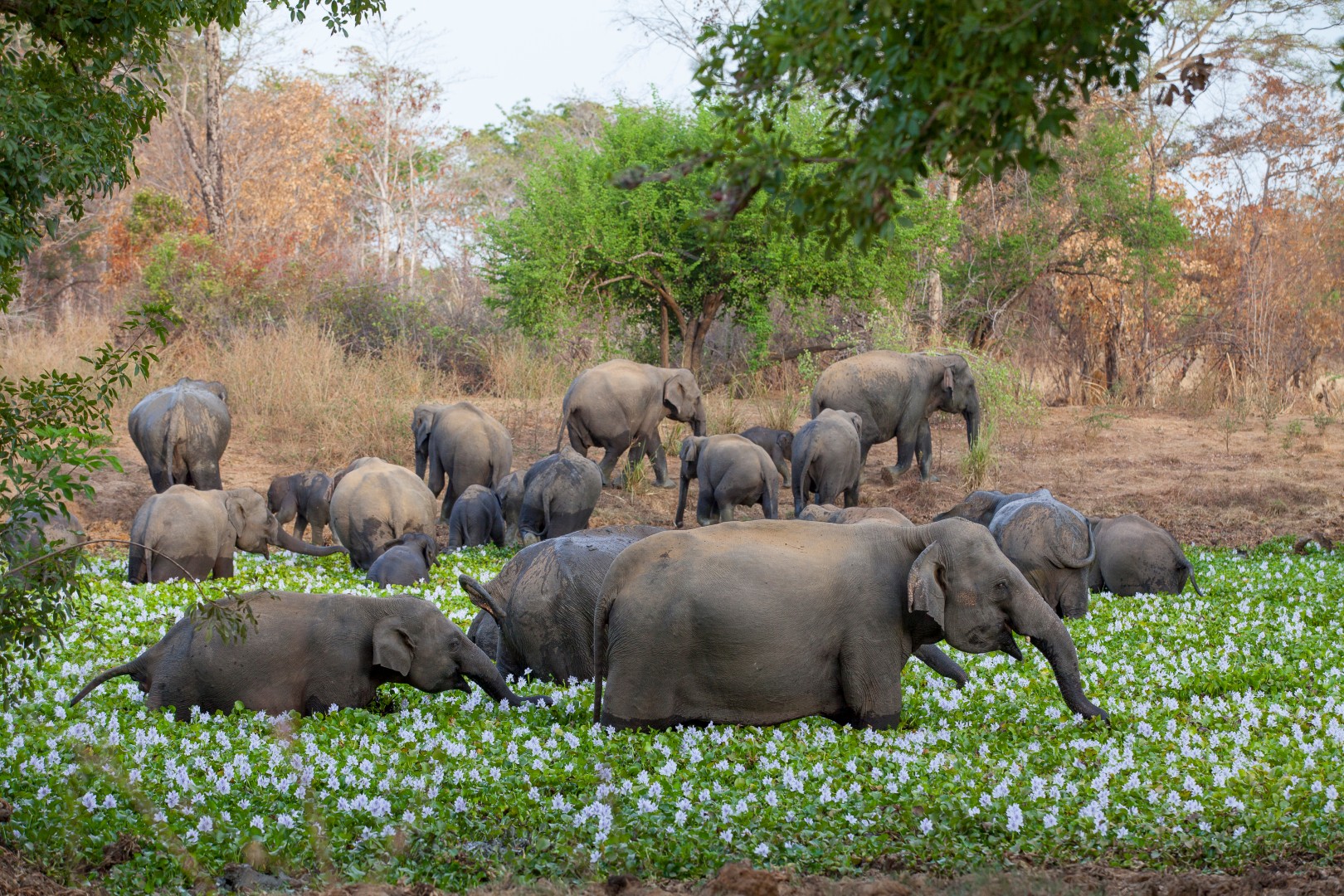
Wasgamuwa National Park
Wasgamuwa sits in Sri Lanka’s interior – quieter, more remote, and significantly less visited than the southern parks – making it a genuinely frontier-feeling wildlife destination for travellers willing to go the extra distance to get there. The park shelters substantial elephant herds, healthy leopard and sloth bear populations, and an exceptional diversity of birds, all within a forested river valley landscape that feels untouched and unhurried. Wasgamuwa is for wildlife travellers who prefer the feeling of having a park largely to themselves.
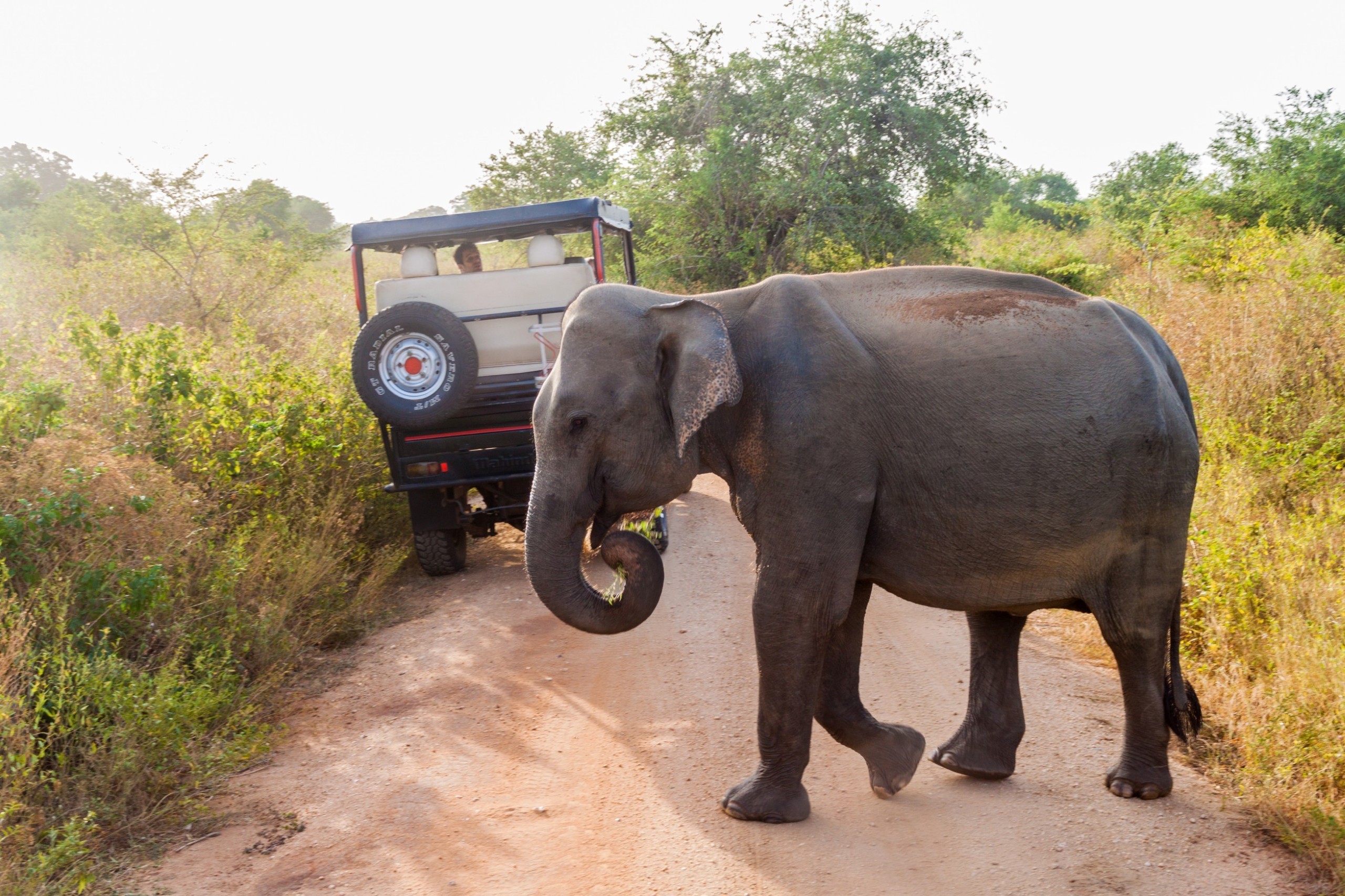
Udawalawe National Park
If you want to see elephants – properly, up close, in large numbers, in daylight, with near certainty – Udawalawe is the park to visit. Around 500 to 700 elephants call this place home year-round, and the open grassland surrounding the reservoir means you can watch them at length without the jungle obscuring the view. There’s no crowded jeep queue equivalent of Yala here – just wide, flat, open elephant country that makes for extraordinary photography and deeply satisfying safari hours. The adjacent Elephant Transit Home, where orphaned calves are raised before release, is an added and genuinely moving bonus.
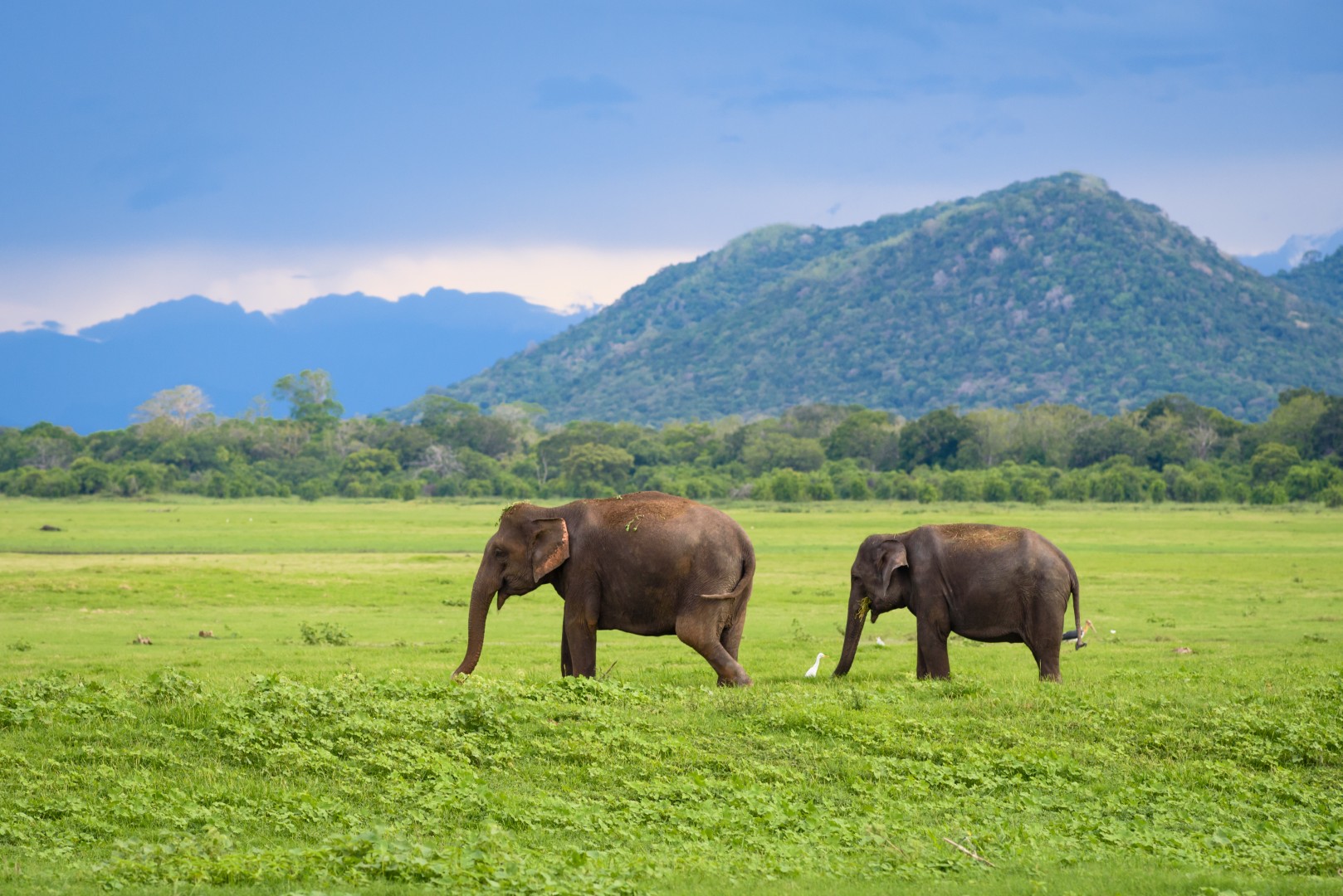
Minneriya National Park
Minneriya is home to one of the natural world’s most jaw-dropping annual events – the Gathering, when hundreds of wild Asian elephants converge on the ancient Minneriya Tank during the dry season to drink, bathe, and socialise. At its peak in August and September, gatherings of over 200 elephants have been recorded in a single afternoon around the reservoir’s receding edge. Even outside the gathering season, Minneriya’s open tank landscape attracts substantial elephant herds, excellent birdlife, and reliable wildlife sightings that make it one of the most rewarding parks in the Cultural Triangle.

Wilpattu National Park
Sri Lanka’s largest and most untouched national park is built around a series of naturally formed lake basins called villus – flat, open water bodies that draw remarkable concentrations of wildlife to their edges. Wilpattu has fewer jeeps and more silence than Yala, which means encounters feel more genuinely wild and less managed. The leopard population is healthy, the sloth bears are frequently spotted in the early morning, and the sheer sense of space in this dry zone forest is something that stays with you. If you want the Sri Lanka safari experience without the crowds, this is where to go.
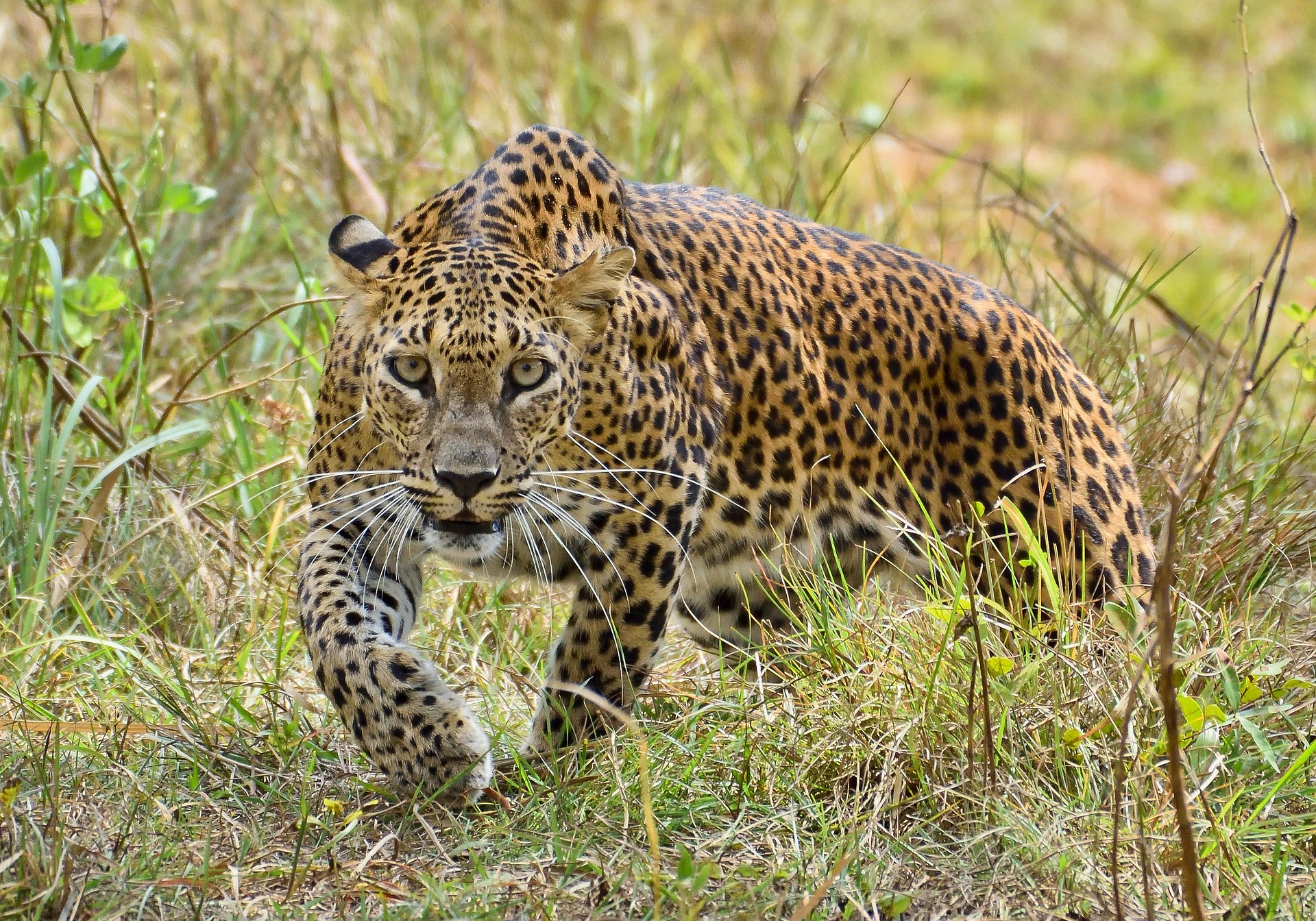
Yala National Park
Sri Lanka’s most visited park, and for good reason – it consistently produces some of the most dramatic wildlife encounters available anywhere in Asia. The famous leopard population here is one of the densest in the world, and early-morning safaris through the scrub jungle, coastal lagoons, and open grassland deliver sightings of these animals with a frequency that surprises even experienced safari-goers. Beyond the leopards, Yala’s elephants, sloth bears, crocodiles, and spectacular birdlife make every game drive genuinely varied and unpredictable. Go at dawn. Bring patience. The park will show you something extraordinary.
Two Seasons. Two Coasts. Twelve Months of Good Reasons to Be by the Sea.
Sri Lanka is surrounded by the Indian Ocean, and the coastline that wraps around the island is one of its greatest assets. The west and south coasts are at their best from December to April; the east coast opens up from May to September. Between them, there’s always somewhere in good weather – and the variety of what that coastline offers is extraordinary, from world-class surf breaks and whale-watching grounds to colonial-era forts, lagoons, and beaches so quiet they feel like they’re yours alone.
Passikudah
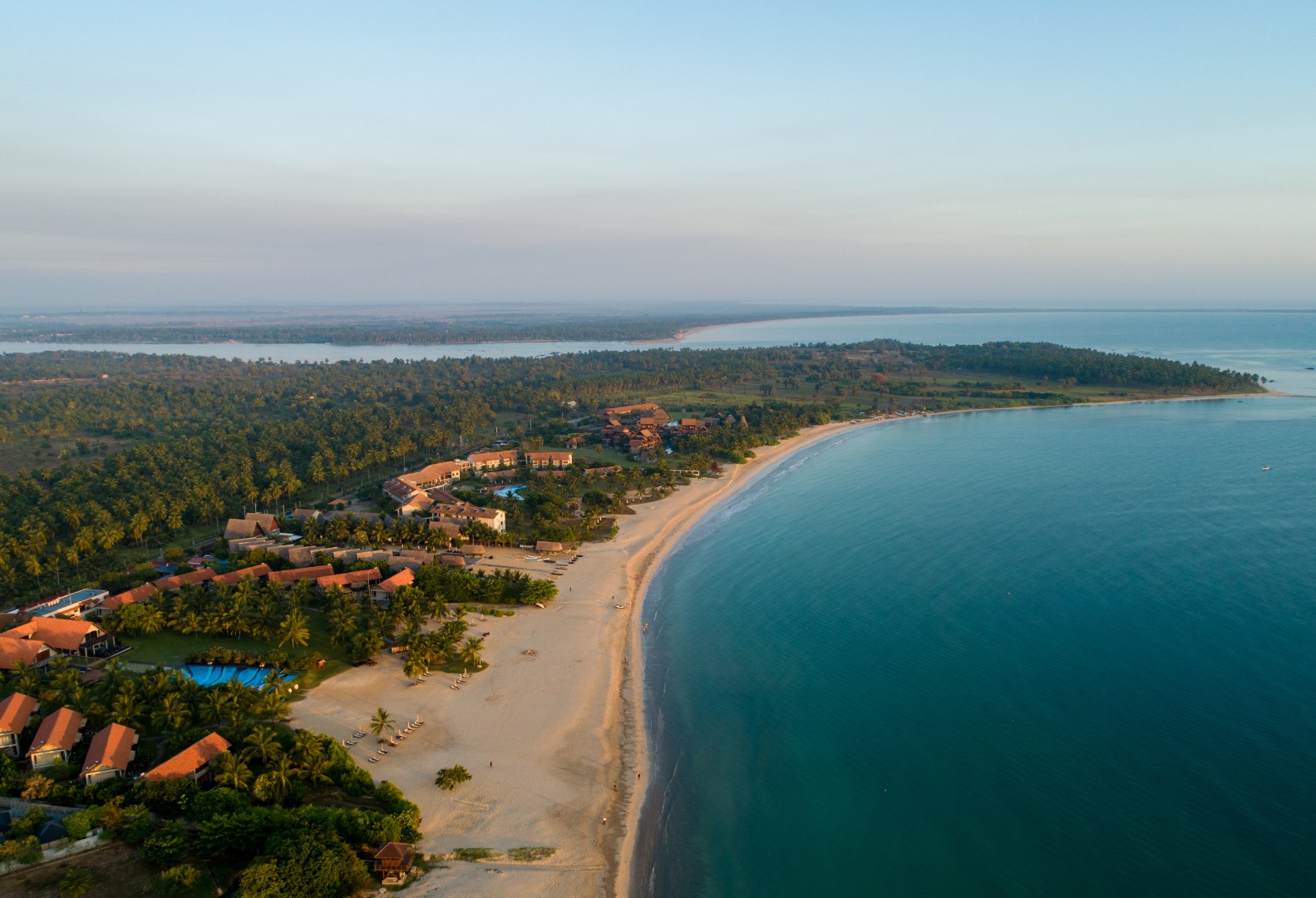
Sri Lanka’s calmest and most luminous beach bay sits on the east coast between Trincomalee and Batticaloa, and what sets it apart is the extraordinary clarity and shallow gradient of its water. The bay extends far offshore at knee-depth – a vast, glassy, turquoise expanse that’s safe for non-swimmers and genuinely beautiful to photograph in the early morning light. The cluster of resort properties around the bay ranges from mid-range comfortable to genuinely luxurious. Best visited from May to September when the east coast is at its finest.
Hikkaduwa
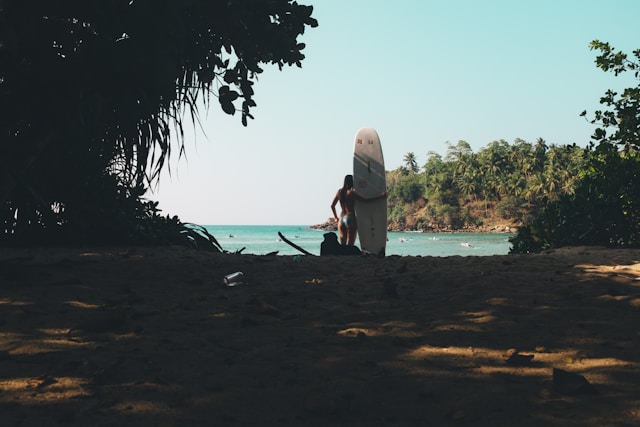
One of Sri Lanka’s most consistently popular beach destinations – energetic, colourful, and backed by a genuinely impressive coral reef sanctuary just offshore. The Hikkaduwa National Park reef is home to large marine turtles, tropical reef fish, and coral formations accessible by snorkel or glass-bottomed boat. The town itself has a lively, slightly throwback beach atmosphere – surf schools, beachside restaurants, a social scene that goes late – and it remains one of the best value and most enjoyable destinations on the southwest coast.
Negombo
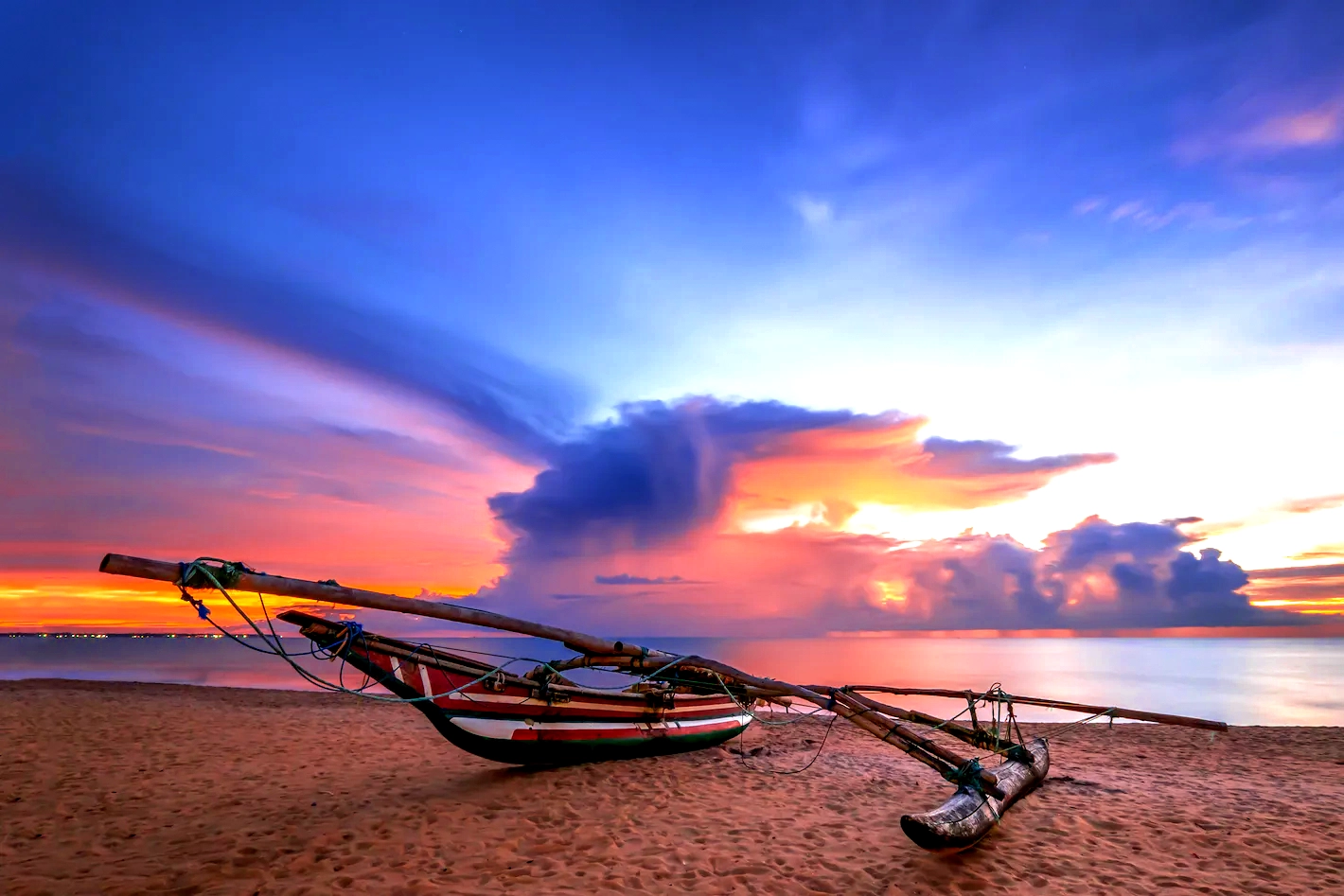
Sri Lanka’s most convenient first or last stop sits just minutes from the airport, but it’s more than a transit town – Negombo has a genuine identity of its own, shaped by centuries of Dutch colonial history, a thriving traditional fishing community, and a string of Catholic churches that have earned it the nickname ‘Little Rome.’ The lagoon is excellent for birdwatching, the seafood is some of the freshest on the island, and the Dutch canal network that runs through the city is one of those quietly interesting historical details that rewards a half-day exploration.
Bentota
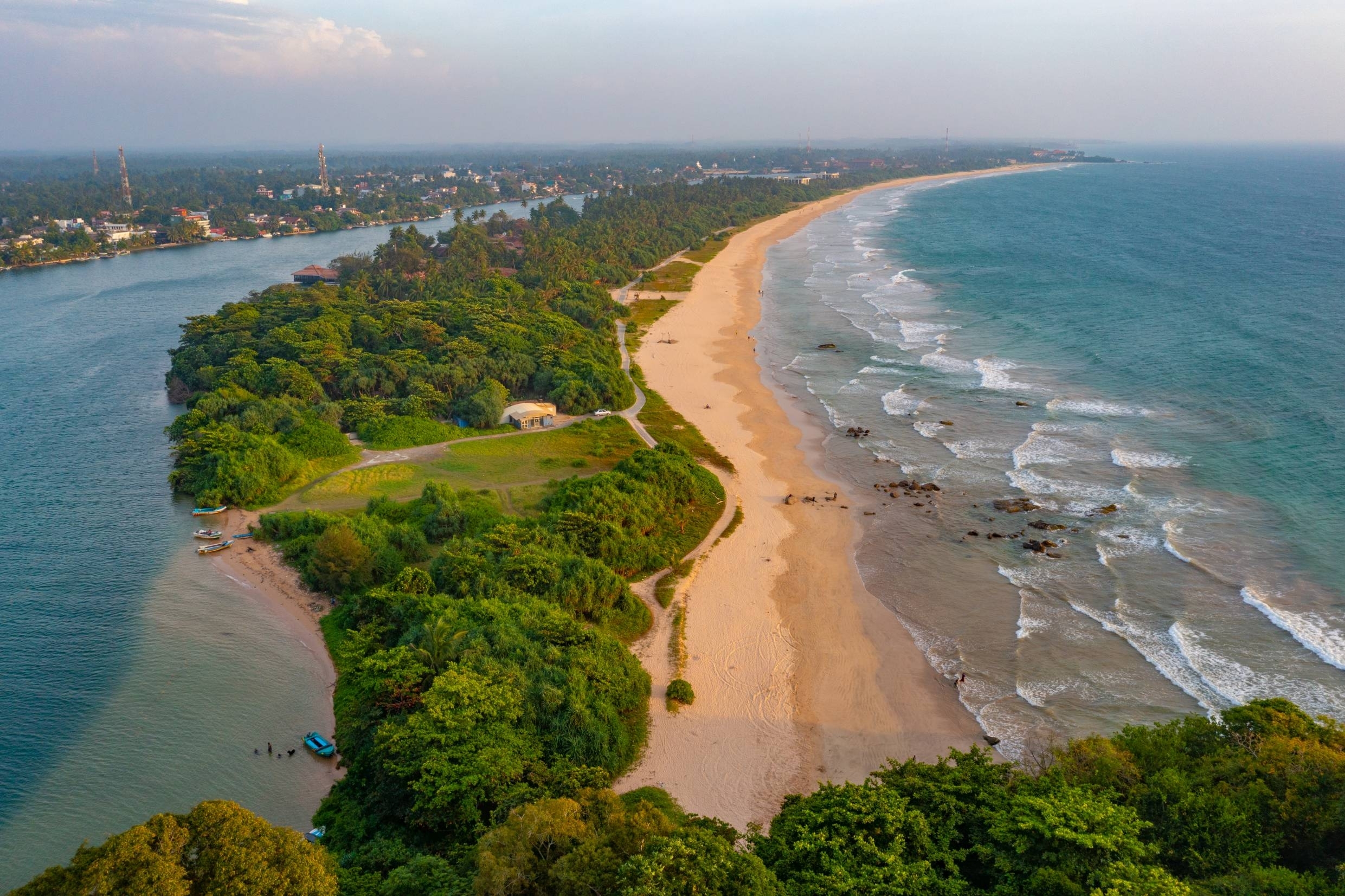
Bentota is where the Sri Lankan beach holiday starts to feel genuinely luxurious – a beautiful west coast stretch of golden sand backed by river estuary and bordered by some of the island’s finest resort properties. The Bentota River offers excellent water sports and boat safari options, the Madu River wetland is just a short drive away, and the calm, swimmable beach stretches for long enough to walk from end to end without reaching a fence. It’s the most developed of the west coast resorts, and it earns that status.
Unawatuna
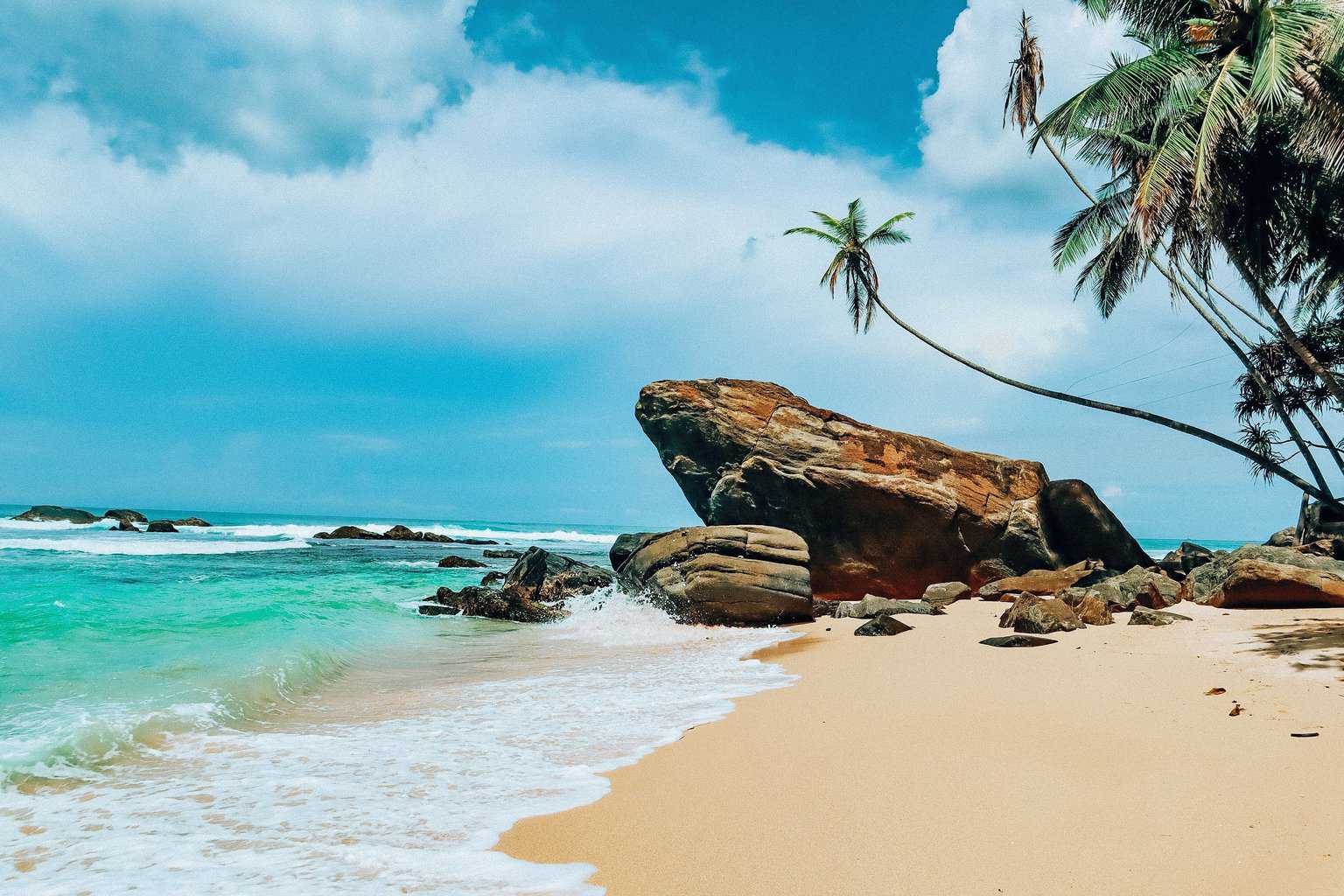
South of Galle, Unawatuna tucks into a sheltered horseshoe bay of warm, reef-protected water that’s been drawing travellers for decades for good reason – it’s safe to swim in, excellent for snorkelling on the shallow reef, and just lively enough to be enjoyable without being overwhelming. The bay’s position close to Galle Fort means it combines beautifully with a heritage half-day into a genuinely satisfying south coast full day.
Weligama
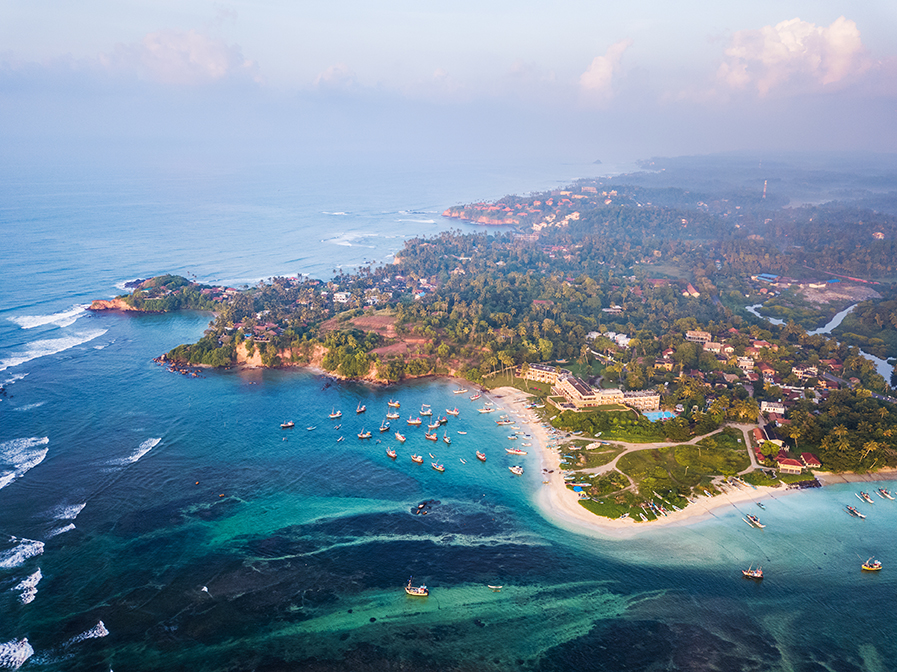
Weligama’s wide, forgiving bay has made it Sri Lanka’s most popular surfing lesson destination – the kind of gentle, consistent wave that means most guests can stand up within a few hours of picking up a board for the first time. Beyond the surf schools, the town has a genuinely warm and functional beach atmosphere with good food, good coffee, and direct access to Cape Weligama’s clifftop luxury stays just above the bay. The iconic stilt fishermen who fish the shallow waters off the coast are a Weligama signature.
Mirissa
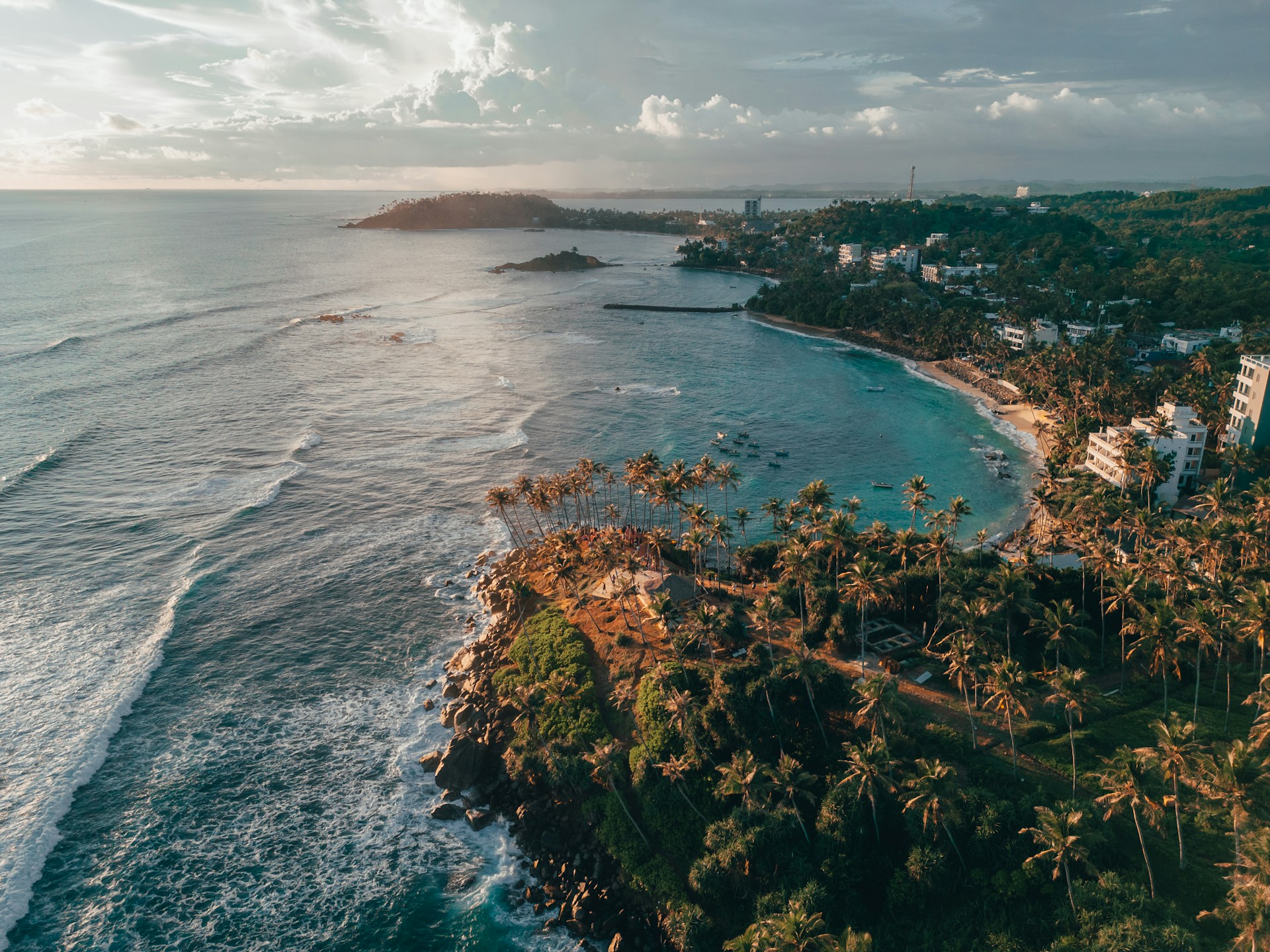
Sri Lanka’s most complete southern bay destination – a small, naturally beautiful crescent of warm water overlooked by coconut-covered Coconut Tree Hill, fronted by a relaxed strip of beach cafes and restaurants, and sitting directly above one of the world’s finest whale-watching grounds. Between November and April, blue whales, sperm whales, and pods of spinner dolphins regularly appear within a short boat ride of the shore. On land, Mirissa is easy and enjoyable – a south coast destination that manages to be simultaneously scenic, active, and completely unhurried.
Galle
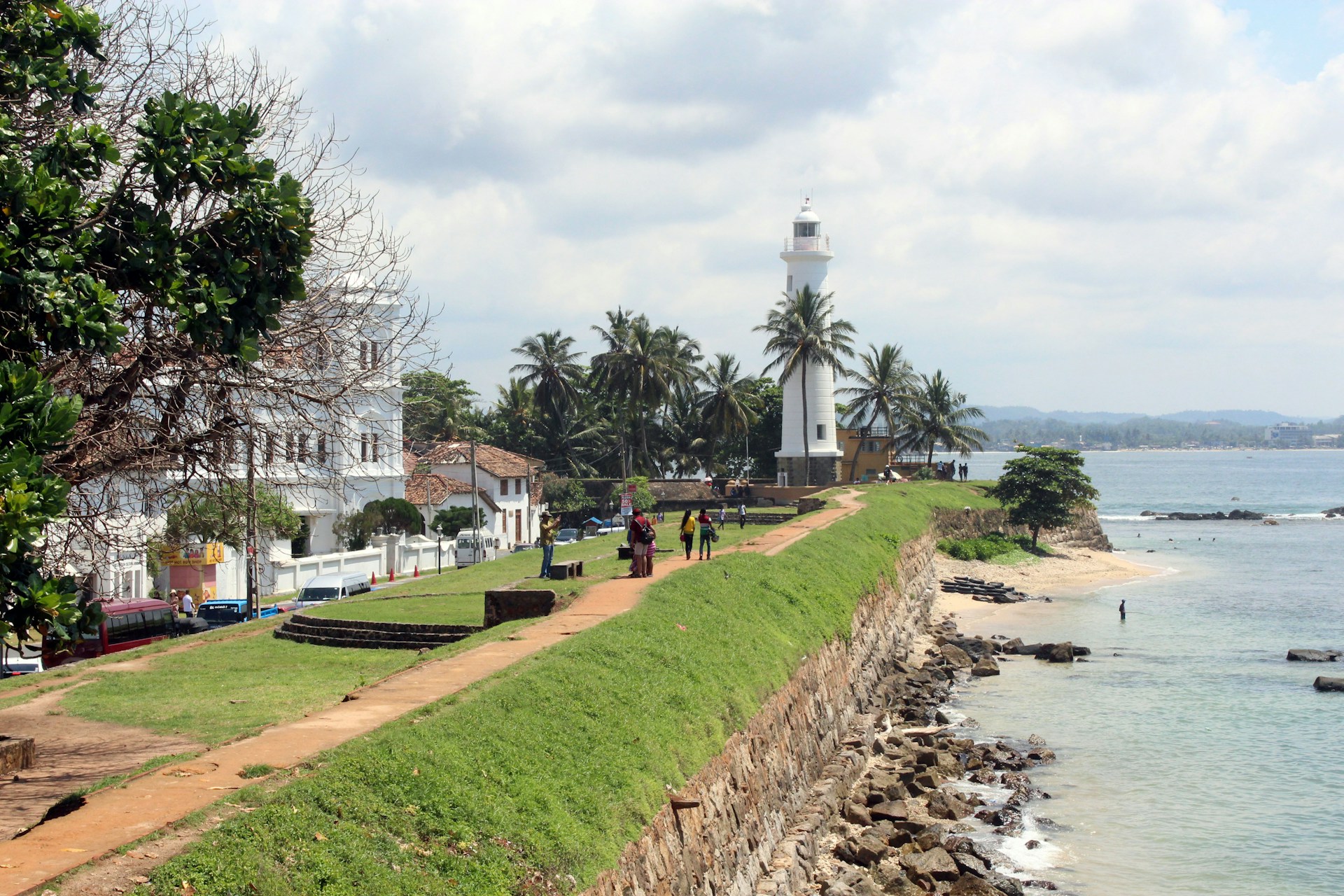
Sri Lanka’s most atmospheric coastal destination is not a beach town in the conventional sense – it’s a 17th-century Dutch sea fortress that still functions as a living town, with real residents, real restaurants, and real cultural life happening inside its UNESCO-listed coral-and-granite walls. The Fort’s narrow streets, Dutch-period architecture, independent cafes, and sunset-lit ramparts create a genuinely unique urban environment that most visitors extend their stay in spontaneously. Galle is the kind of place that starts as a day stop and becomes an overnight, and then another.
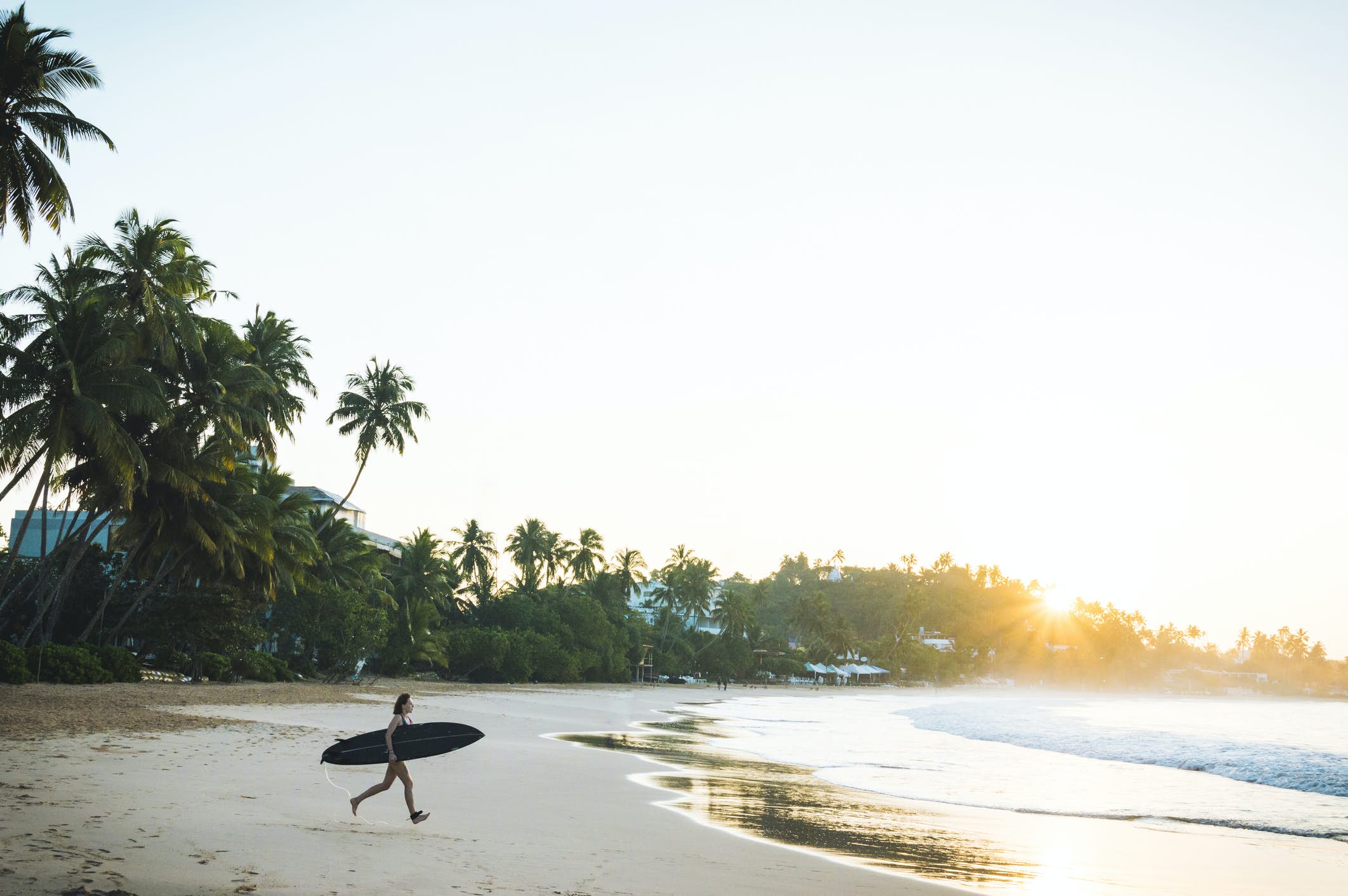
Arugam Bay
Sri Lanka’s surf capital on the southeast coast has a well-earned global reputation for its point break, which draws experienced wave-riders from around the world between May and October. But Arugam Bay is more than its surf – the town has a relaxed, unhurried energy that makes it one of the most genuinely enjoyable places to simply be on the island, regardless of whether you own a board. The nearby Kumana National Park and the coastal lagoons to the south add wildlife and nature dimensions that make A-Bay a genuinely multi-layered destination.
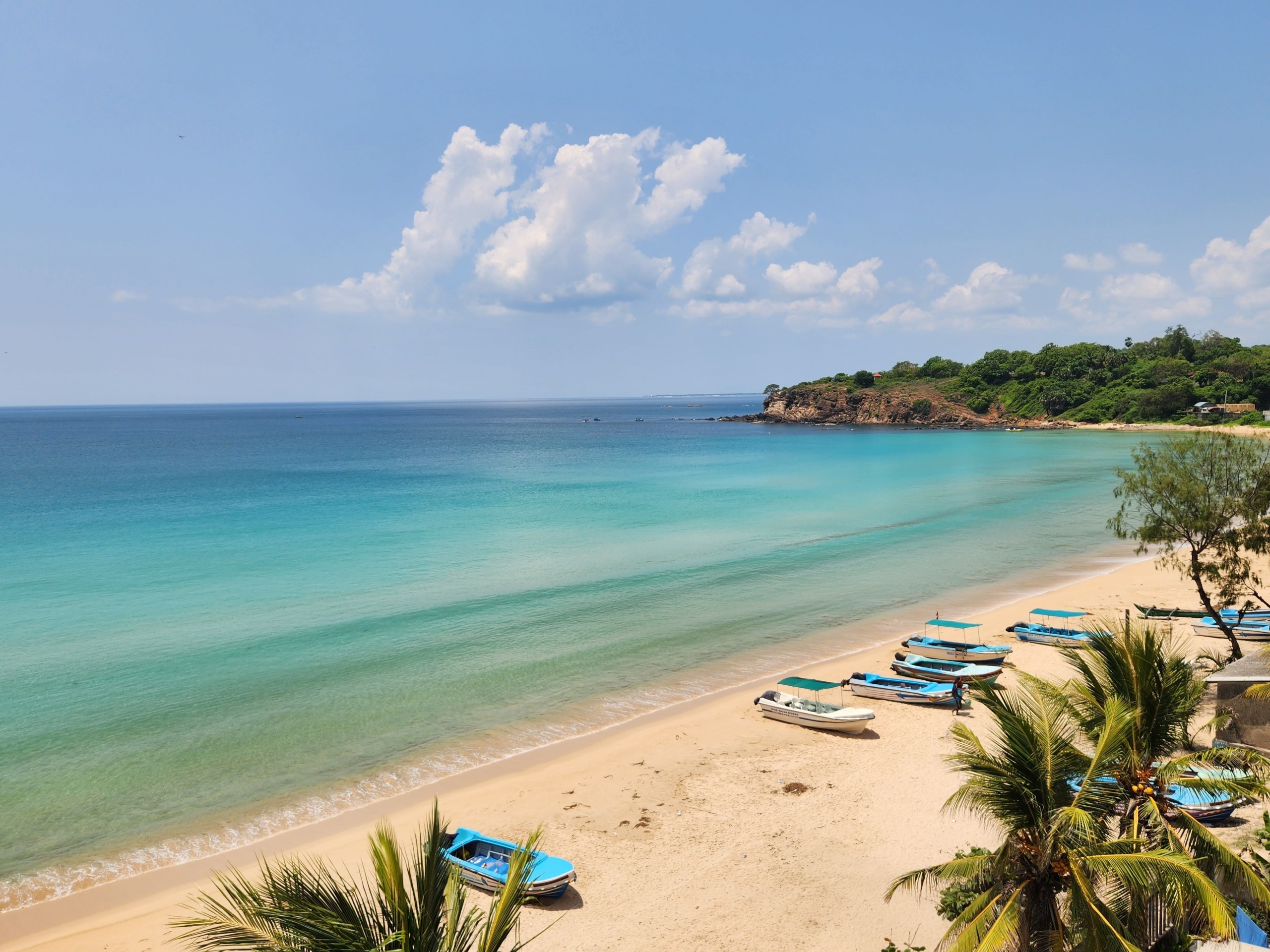
Trincomalee
One of Sri Lanka’s great undersold destinations – a city of sweeping natural harbours and remarkable east coast beaches that sits at the centre of some of the finest snorkelling, diving, and whale-watching territory in the Indian Ocean. Nilaveli and Uppuveli, just north of the city, are wide, white-sand beaches of the kind that genuinely surprise travellers who arrive expecting second-rate alternatives to the more famous southern spots. The ancient Koneswaram Temple on Swami Rock – a cliffside Hindu shrine with views across Trincomalee’s extraordinary bay – is one of Sri Lanka’s most dramatically positioned cultural sites. Best between May and September.
Two Thousand Years of Civilisation. Still Standing. Still Breathing.
Sri Lanka’s cultural heritage is not behind glass. Its ancient cities are lived-in pilgrimage sites where devotional practices continue daily, its temples are active centres of community life, and its historical landscapes carry a sense of presence that well-maintained ruins often lack. The Cultural Triangle alone – Anuradhapura, Polonnaruwa, Sigiriya, and Dambulla – represents one of the finest concentrations of ancient heritage in Asia, and Kandy remains the living cultural capital of a highland kingdom that resisted European colonisation for centuries.
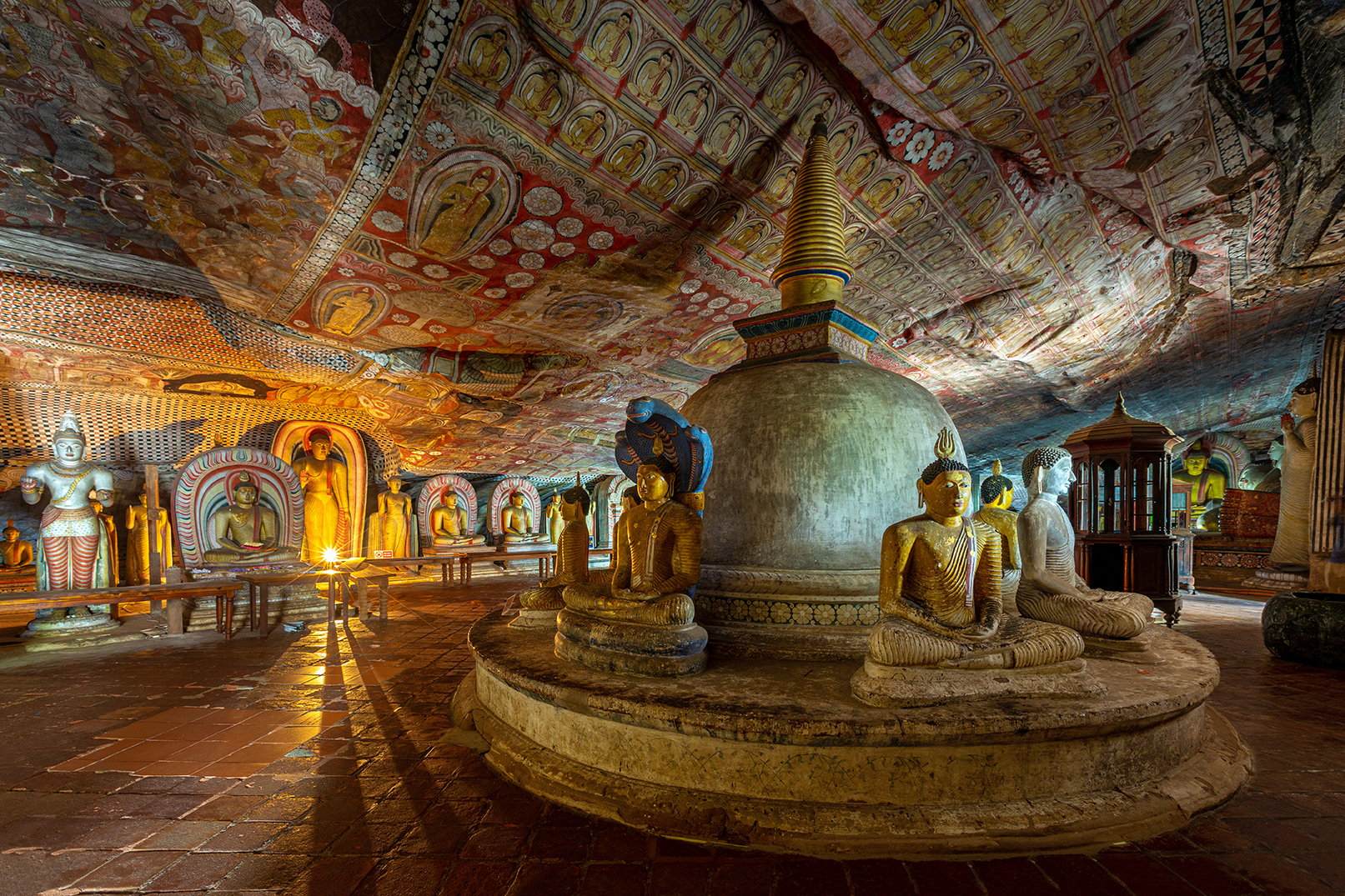
Dambulla
The Dambulla Cave Temple is older than its more famous neighbours and, in some ways, more powerful. Five natural granite caves have been used as places of Buddhist worship and meditation for over 2,000 years – their ceilings and walls painted continuously across that entire span, creating a living historical record of Sri Lankan Buddhist art in a single, extraordinarily dense interior. Over 150 statues fill the caves, including reclining Buddhas carved from the rock itself. Most visitors spend less time here than they should. Give it a proper morning.
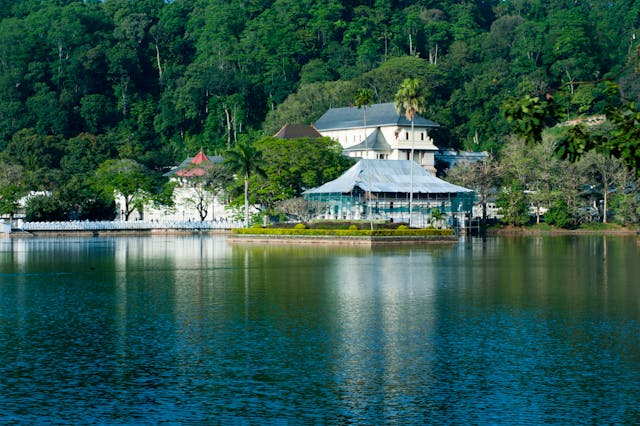
Kandy
Sri Lanka’s last royal capital sits in the central highlands at the meeting point of the island’s cultural and spiritual identity – a city built around a lake, anchored by the Sri Dalada Maligawa, the Temple of the Sacred Tooth Relic, which houses what is believed to be a tooth of the Buddha and has been the most sacred site in Theravada Buddhism for over fifteen centuries. The city’s Kandyan art, architecture, and ceremonial traditions were specifically maintained to resist cultural assimilation during colonial rule – which makes the living culture of Kandy not just beautiful but genuinely hard-won.
Sigiriya
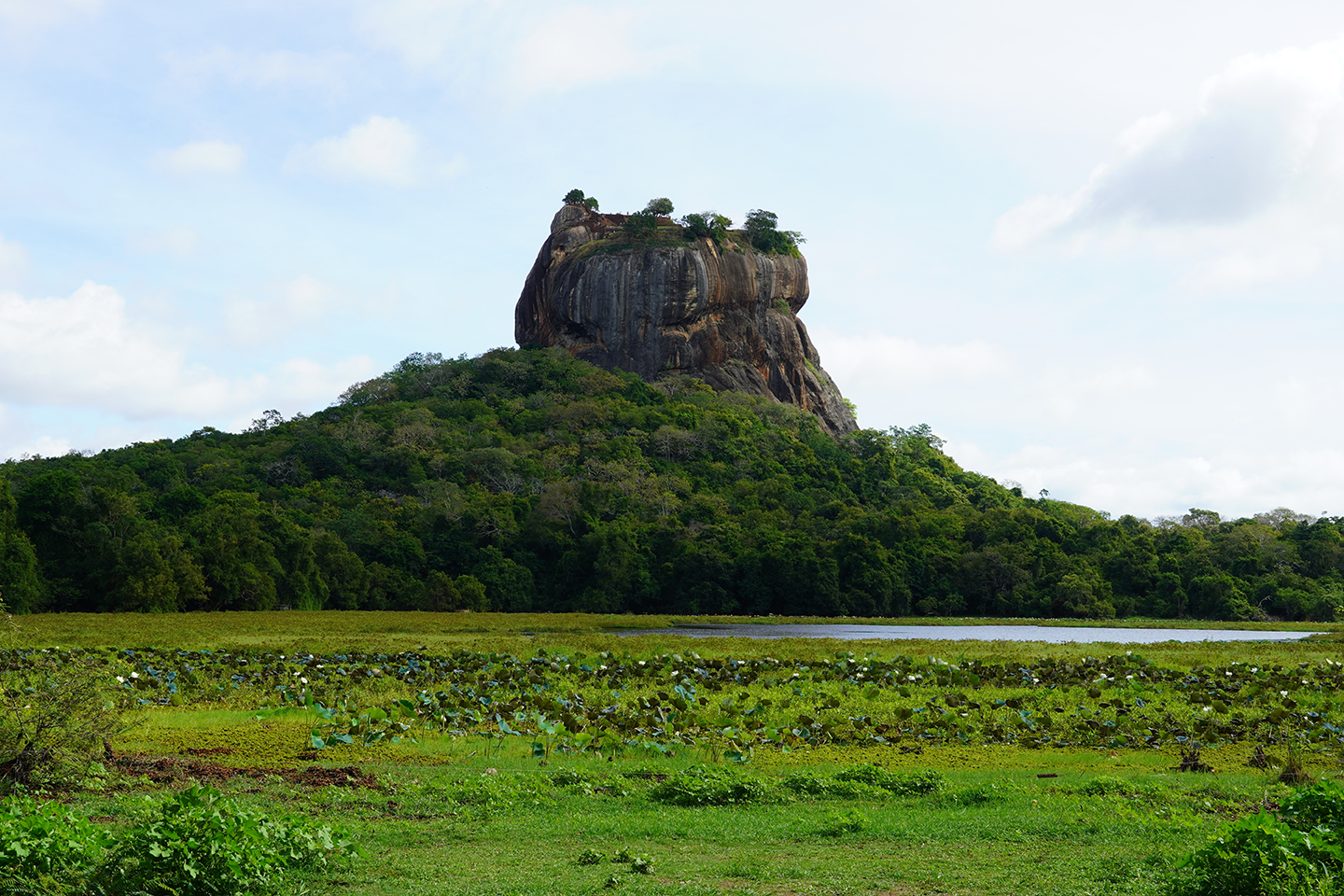
It sounds almost impossible when you describe it: a 5th-century king built a palace on top of a 200-metre volcanic rock, surrounded it with formal water gardens at the base, decorated the cliff face with frescoes of heavenly maidens, and inscribed a mirror-smooth plaster wall with centuries of admiring visitor poetry. And yet, here it is – arguably the most extraordinary single archaeological site in South Asia. The climb to the summit is genuinely memorable, the views across the Cultural Triangle plain are spectacular, and the sheer ambition of what was created here over 1,500 years ago is worth contemplating long after you’ve come back down.
Polonnaruwa
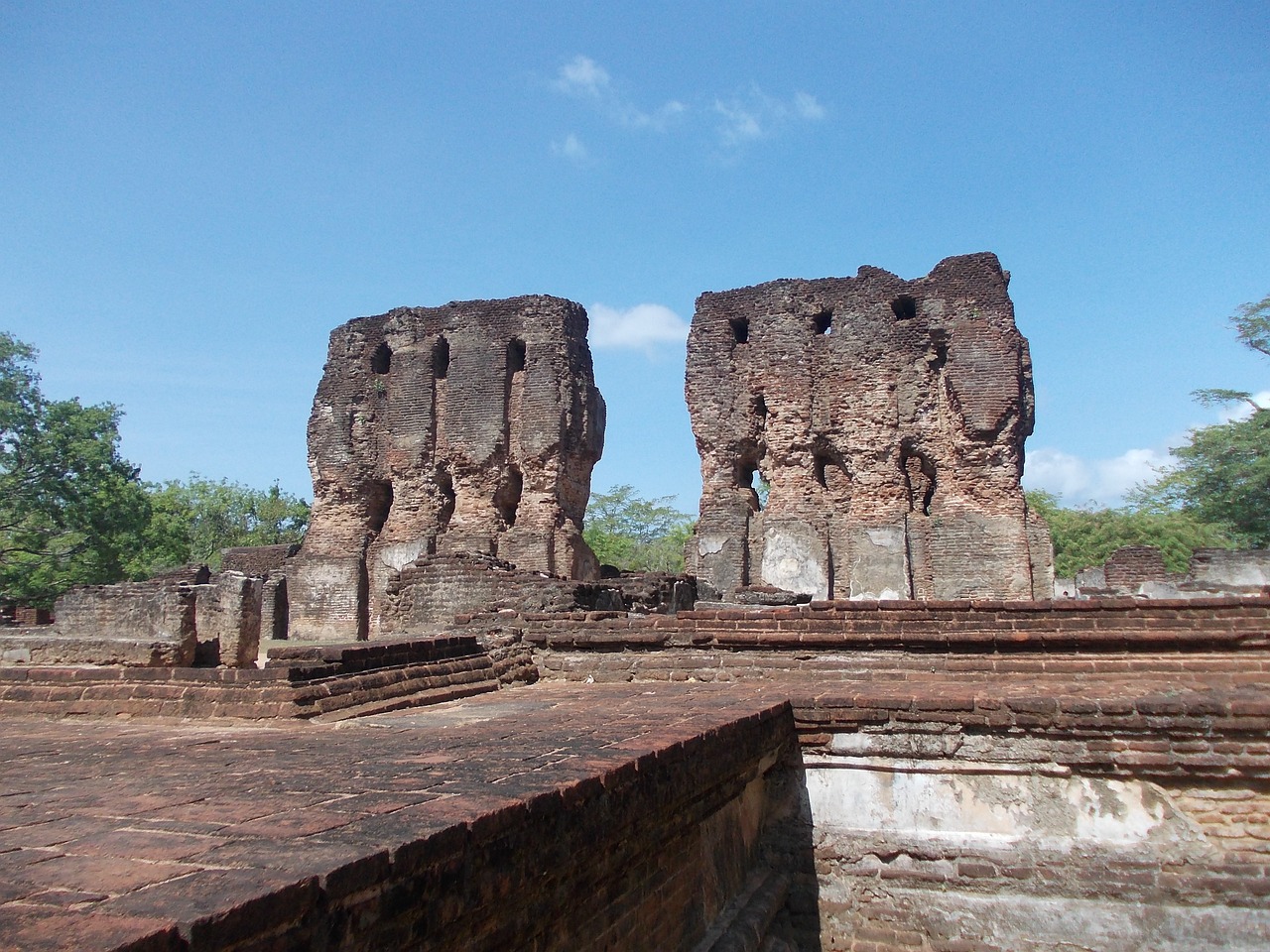
Sri Lanka’s medieval capital is the most accessible and the most immediately impressive of the ancient cities – a compact, well-preserved site where the Gal Vihara’s four enormous Buddha figures, carved from a single granite face in the 12th century, represent one of the finest sculptural achievements in Asian history. The Royal Palace ruins, the circular Vatadage relic house, and the ancient Parakrama Samudra reservoir together tell the story of a kingdom at the absolute peak of its artistic and hydraulic ambition. Exploring the site by bicycle is one of the most enjoyable and naturally paced ways to spend a cultural morning in Sri Lanka.

Anuradhapura
Sri Lanka’s first great capital was founded more than 2,300 years ago and governed by a succession of kings who built on a scale that modern engineers still struggle to fully explain. The city’s ancient stupas – including the Ruwanwelisaya, which rises 90 metres above the plain – were constructed from solid brick with a precision and durability that has kept them standing for two millennia. The Sri Maha Bodhi, a fig tree grown from a cutting of the original tree under which the Buddha attained enlightenment, is the oldest documented living human-planted tree on earth. Anuradhapura is not a museum. It’s a place where people still come to pray, every single day.
The Quieter Sri Lanka. The One That Gets Under Your Skin.
Not every great destination in Sri Lanka is famous. Some of the most extraordinary places on the island are reached by a longer road, a smaller sign, and a guide who knows when to slow down and let the forest speak. These are the destinations where Sri Lanka’s biodiversity, its monastic history, and its ecological richness become palpable – places that reward curiosity more than speed and stay with travellers long after the headline sites have faded.
Ritigala Forest Monastery
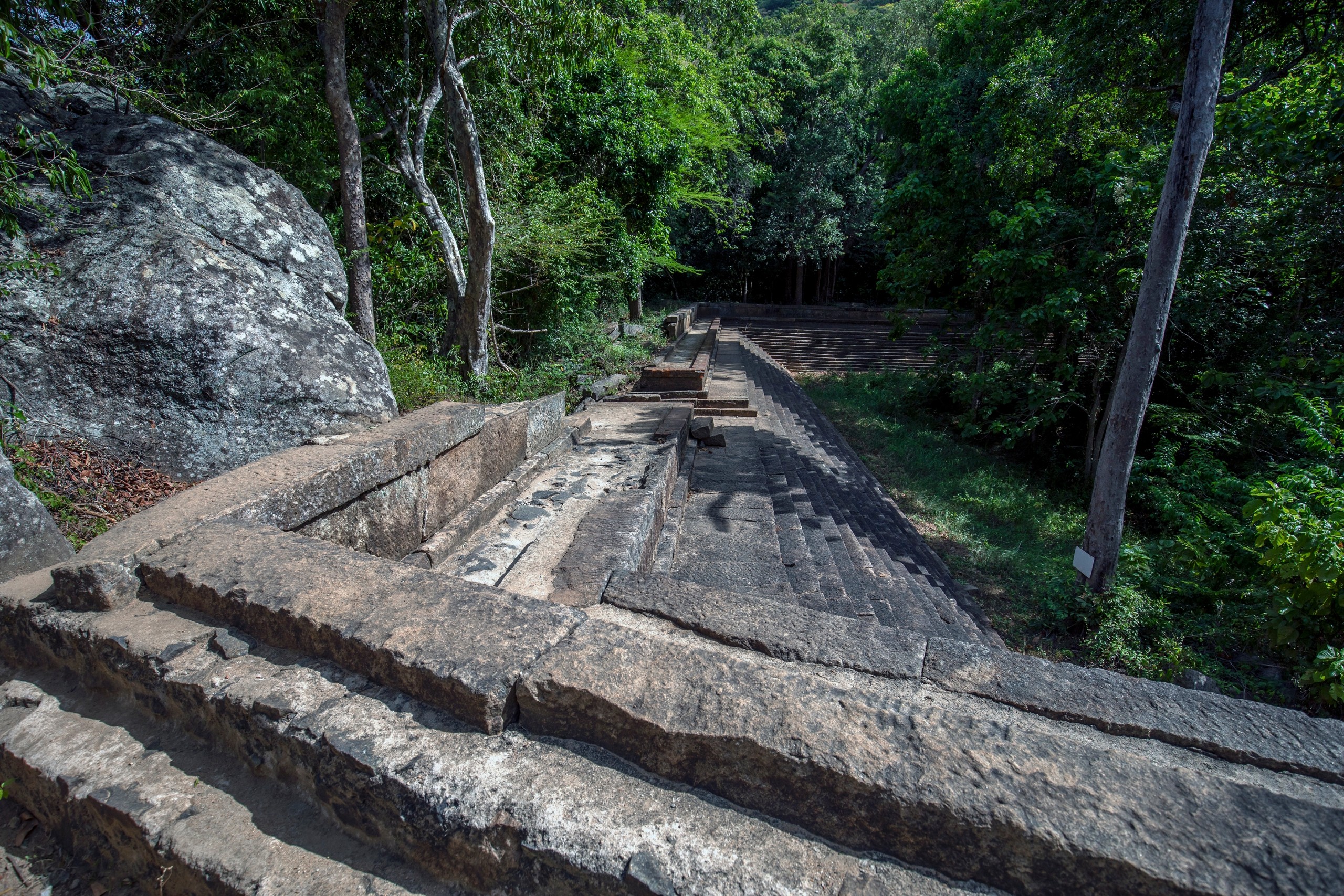
This one takes a little effort to reach, and that’s precisely why it’s worth it. Ritigala is an ancient Buddhist forest monastery built by ascetic monks in the 1st century BCE on an isolated granite mountain deep in the dry zone interior – its stone pathways, meditation platforms, and bathing ponds gradually reclaimed by the forest over the centuries since the monastery was abandoned. The site was never fully excavated and retains a sense of genuine mystery. Combined with the surrounding medicinal forest – one of the richest in Sri Lanka – it’s the kind of destination that rewards travellers who seek out what most others miss.

Madu River
Somewhere on the southwest coast, tucked behind the coastal resort strip near Balapitiya, a network of mangrove-lined channels and small islands spreads across 900 hectares of calm, biodiverse inland water. The Madu River boat safari through these channels – cinnamon island, Buddhist temple island, kingfisher-haunted mangrove tunnels – is one of Sri Lanka’s most genuinely distinctive half-day experiences. It’s not dramatic. It’s quiet, beautiful, and unexpectedly interesting in the way that the best natural environments always are.
Kitulgala
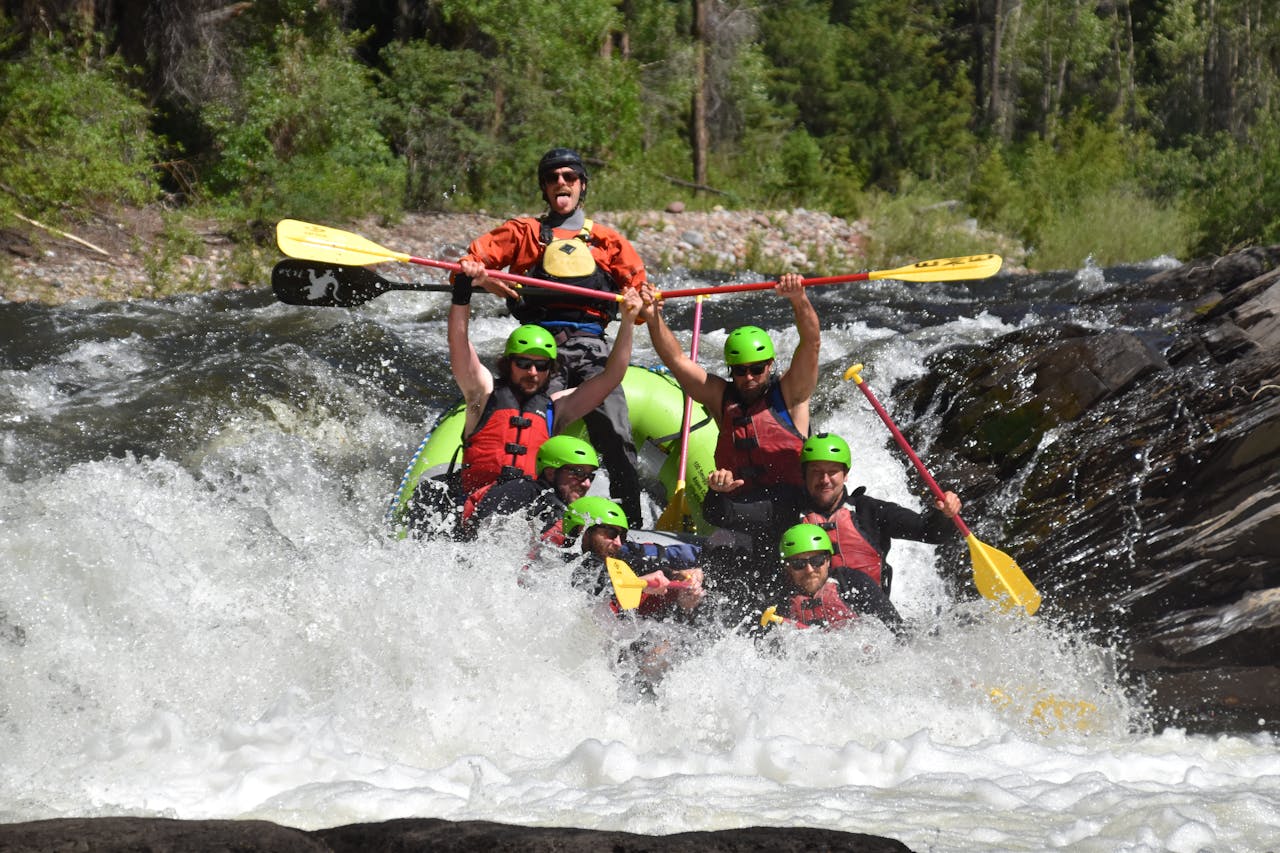
Kitulgala’s main claim to international fame is as the filming location for the Bridge on the River Kwai – but the river itself is the real attraction. The Kelani Ganga runs through a landscape of dense lowland rainforest that supports outstanding endemic birdlife, and the white-water rafting through its Grade 2 and 3 rapids is the best adventure activity on the island in terms of scenery-to-thrill ratio. For birdwatchers, the surrounding forest is one of the most productive sites in Sri Lanka for lowland endemics. For everyone else, the rafting alone justifies the journey.
Knuckles Mountain Range
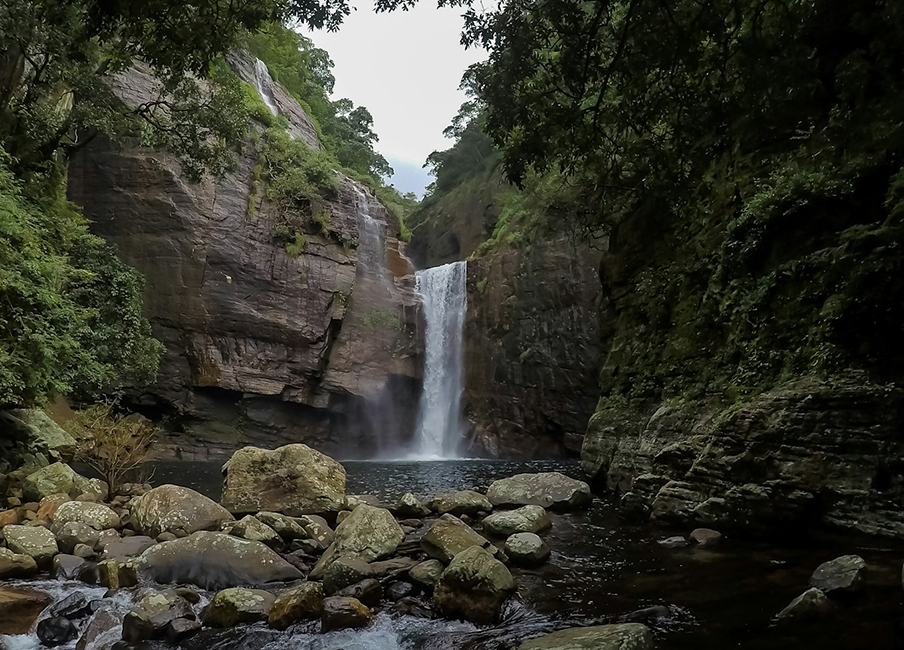
A UNESCO Biosphere Reserve named for the way its jagged peaks resemble a clenched fist when viewed from the lowlands below – the Knuckles is a landscape of cloud forests, traditional mountain villages, seasonal waterfalls, and hiking trails that range from a comfortable half-day walk to multi-day treks across remote ridgelines. The endemic wildlife here – including the Kandy dwarf gecko and numerous highland bird species – rewards birdwatchers and naturalists specifically. But the landscape alone is worth the drive up from Kandy. Few places in Sri Lanka feel this remote while remaining this accessible.
Sinharaja Rainforest
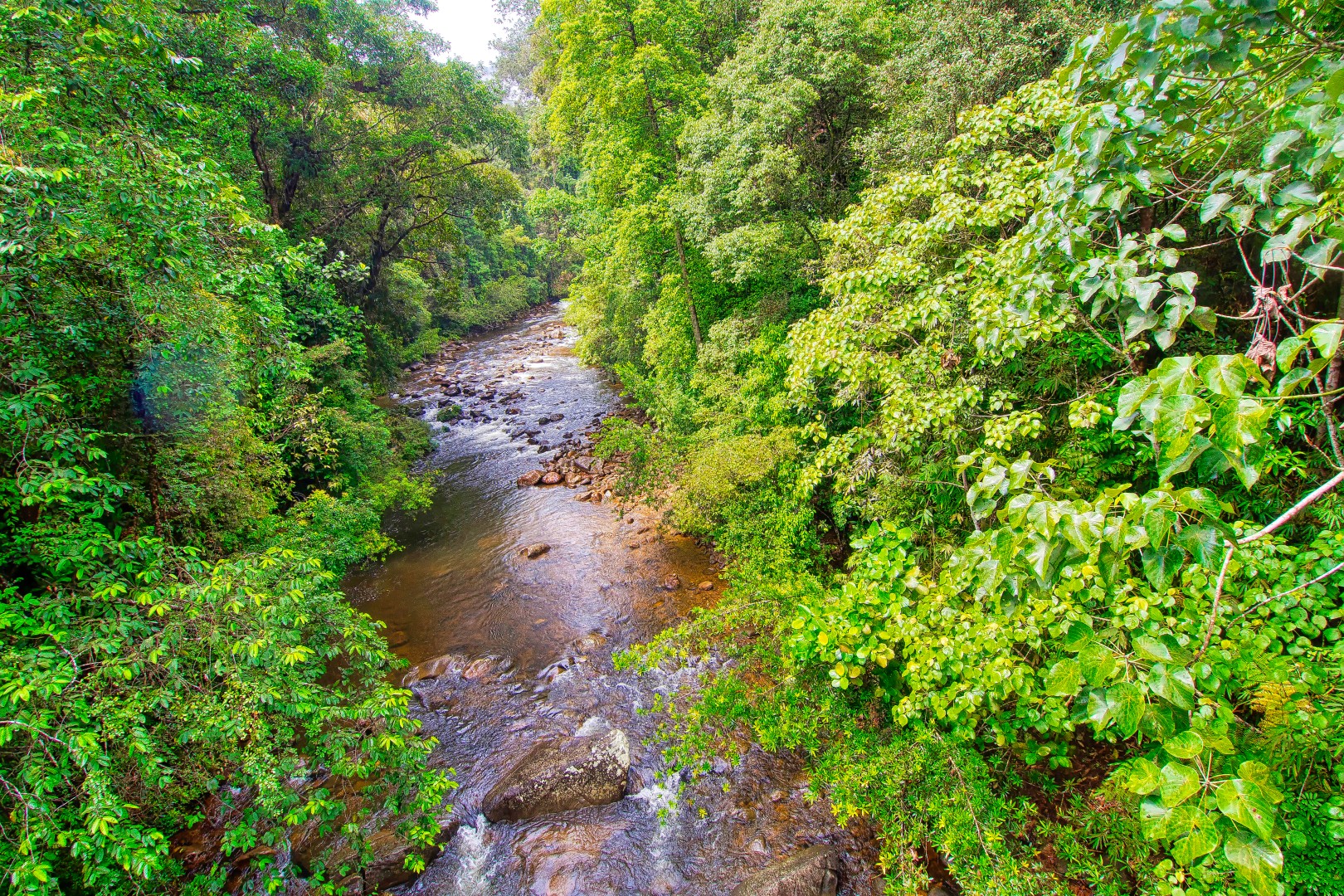
Sri Lanka’s last viable primary tropical rainforest is a UNESCO World Heritage Site and one of the most biodiverse patches of forest on the planet – over 60 percent of its trees are endemic, and the wildlife that lives among them includes dozens of species found nowhere else on earth. Walking through Sinharaja with a local naturalist guide is a different kind of experience from any national park safari – quieter, slower, more intimate, and full of the kind of small, revelatory encounters (a rare frog on a leaf, a mixed-species bird flock moving through the canopy) that make genuinely committed nature travellers feel very lucky indeed.
Go Up Into the Hills. The Whole Island Looks Different From Up There.
Sri Lanka’s central highlands are where the landscape becomes something else entirely – the heat drops, the air sharpens, and everything you’re looking at is green in a way that only happens when tea bushes cover a hillside from valley floor to ridge-line. The towns up here are colonial-era throwbacks with roaring fires and highland gardens. The train lines are famous worldwide for how beautiful they are. And the viewpoints – Horton Plains, Lipton’s Seat, the Ella Gap – reveal a Sri Lanka that looks nothing like the island you drove through to get here.
Hatton & Castlereagh
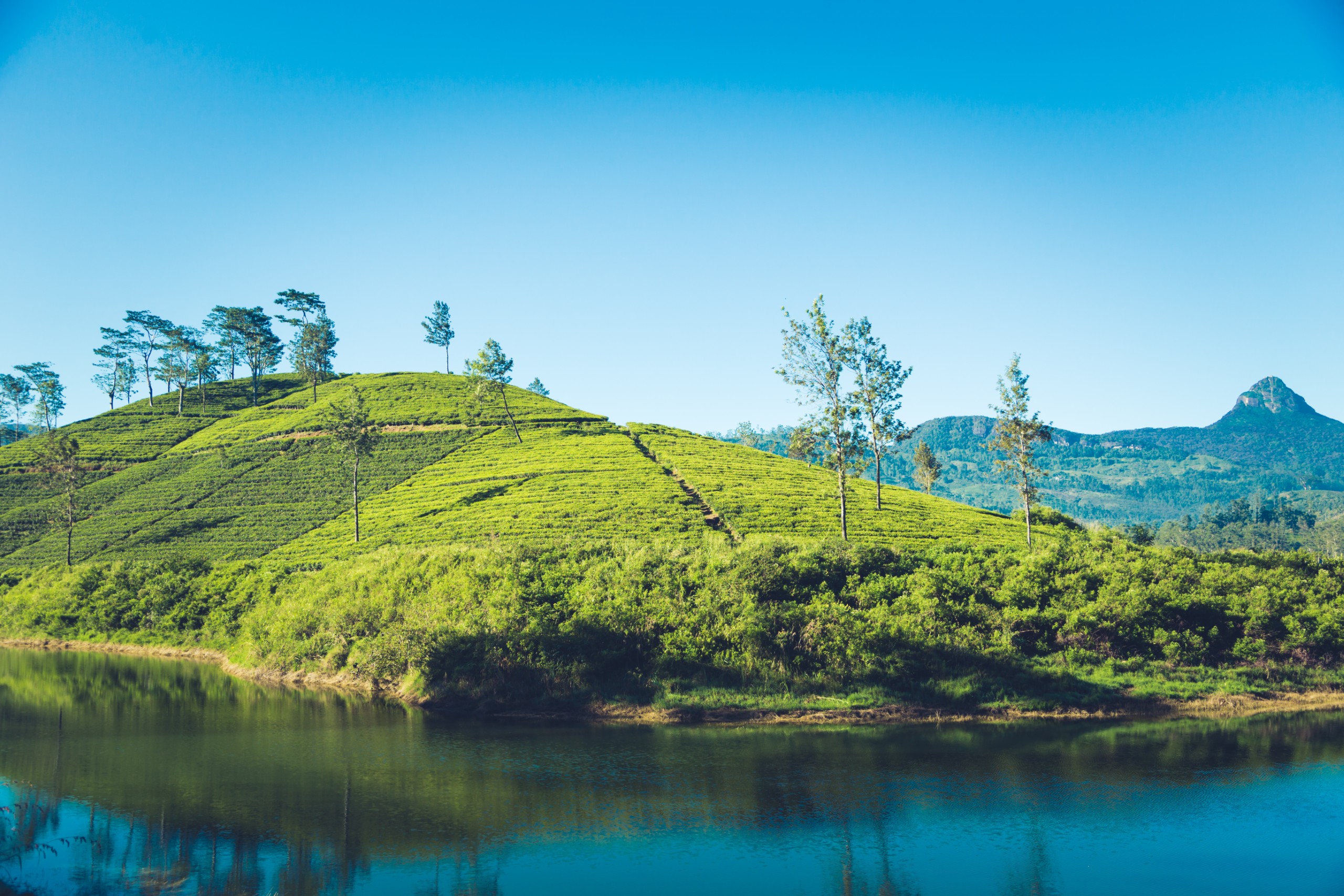
Hatton is the gateway to the most celebrated accommodation experience in the Sri Lankan highlands – the Ceylon Tea Trails bungalows, a collection of restored colonial planter’s bungalows set among the estates of the Bogawantalawa and Dimbula valleys. Even without staying in them, the drive through the Hatton tea country is among the most beautiful in the highlands – the Castlereagh and Maussawa reservoirs sit between the estates like mirrors, and the roads pass through plantation landscapes of extraordinary visual refinement. Adam’s Peak, the island’s most significant pilgrimage mountain, is also reached from here.
Haputale
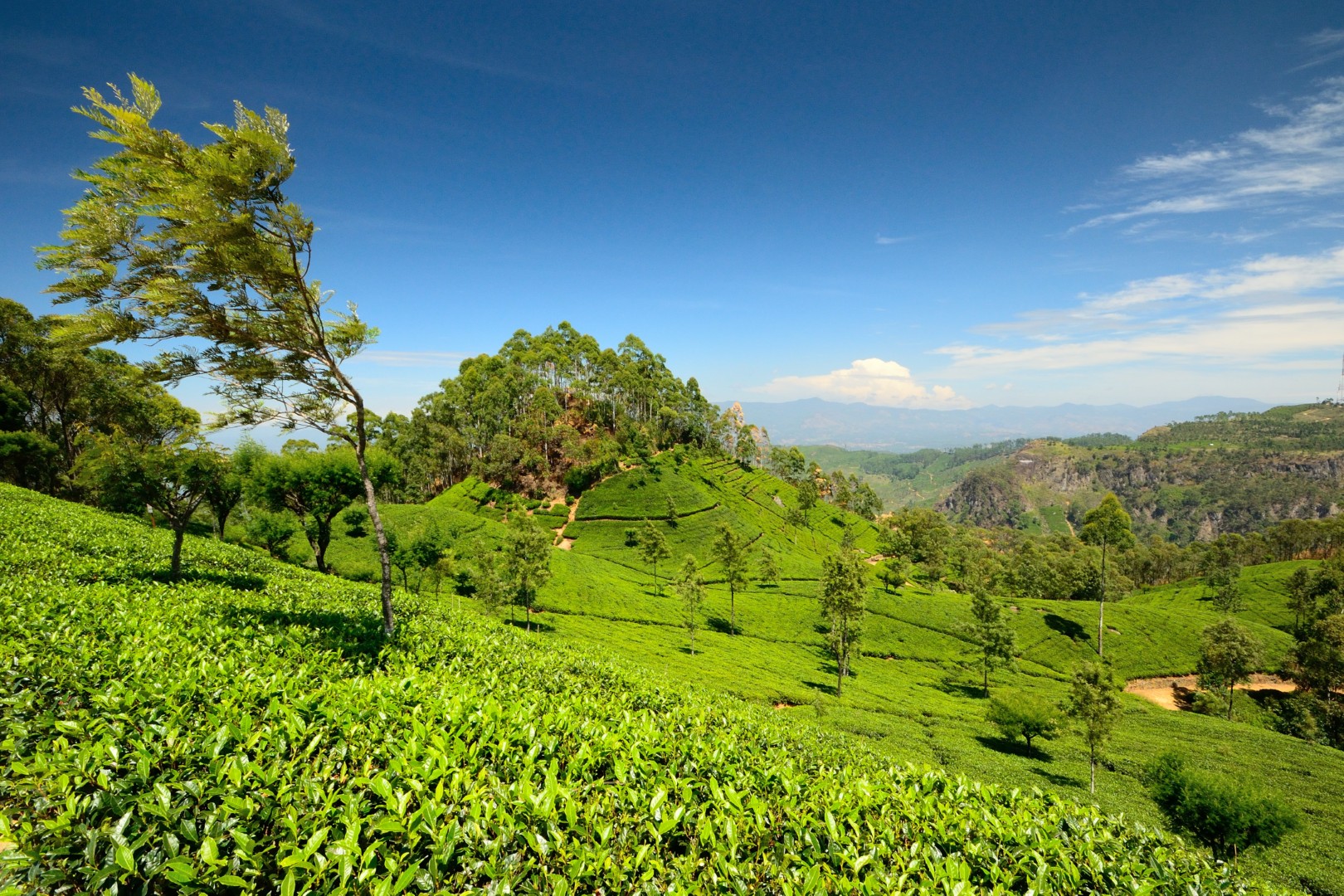
Haputale is a ridgetop town that sits on the southern edge of the highland plateau – a narrow settlement balancing between two dramatically different landscapes, with the flat southern plains stretching to the coast on one side and the tea-covered slopes of the highlands rising on the other. Lipton’s Seat, the viewpoint above the town from which Sir Thomas Lipton reportedly surveyed his tea empire, is one of the finest panoramas in Sri Lanka on a clear morning. Haputale is smaller and quieter than Ella or Nuwara Eliya, and it attracts the kind of traveller who prefers that.
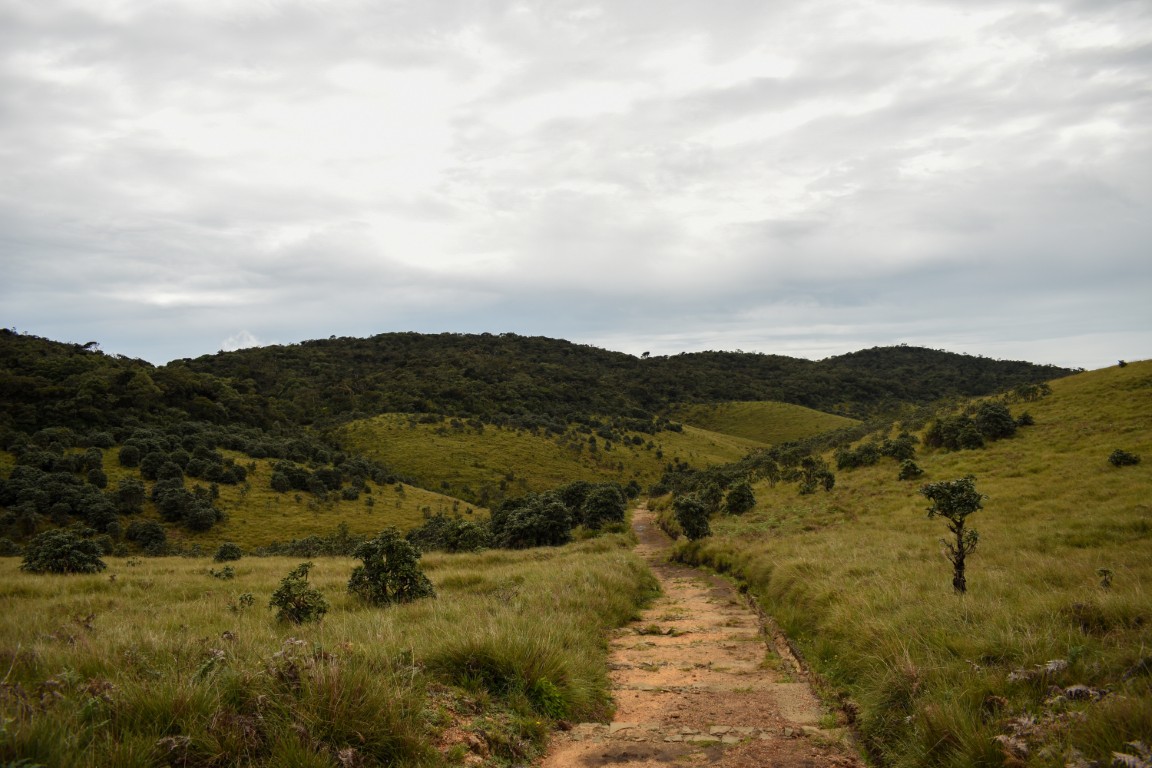
Horton Plains
The Horton Plains plateau sits above 2,000 metres and is one of the most unusual natural environments in Sri Lanka – a windswept landscape of open montane grassland and cloud forest that feels more like highland Scotland than tropical Asia. The walk to World’s End, the sheer cliff edge where the plateau drops nearly 900 metres to the lowland plains, is one of the most dramatic single viewpoints in the entire country. Go early – before 10am if possible – because cloud rolls in fast and obscures the view completely by mid-morning. Baker’s Falls, midway around the walking circuit, is a beautiful and accessible waterfall in a cloud forest setting.
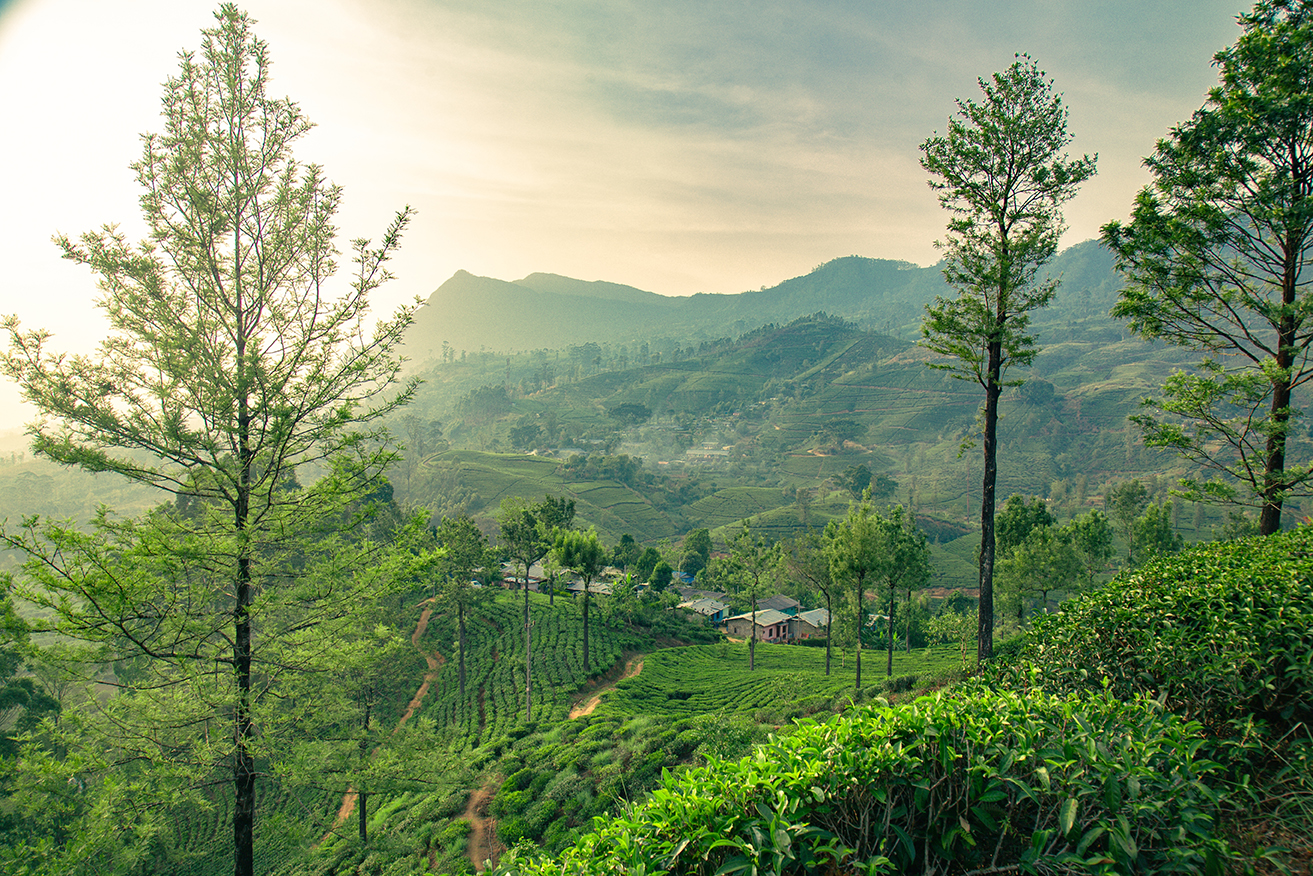
Nuwara Eliya
Often called ‘Little England’ for its Tudor-style buildings, rose gardens, and improbable thoroughbred racecourse – Nuwara Eliya sits at nearly 2,000 metres and carries a peculiarly colonial highland atmosphere that makes it feel unlike anywhere else in Sri Lanka or South Asia. The surrounding tea estates are extraordinarily beautiful, Gregory Lake provides a pleasant afternoon of outdoor activity, and the working tea factories nearby produce some of the finest high-grown Orange Pekoe on the island. It’s worth a night here at minimum – and worth a second to visit Horton Plains in the early morning.
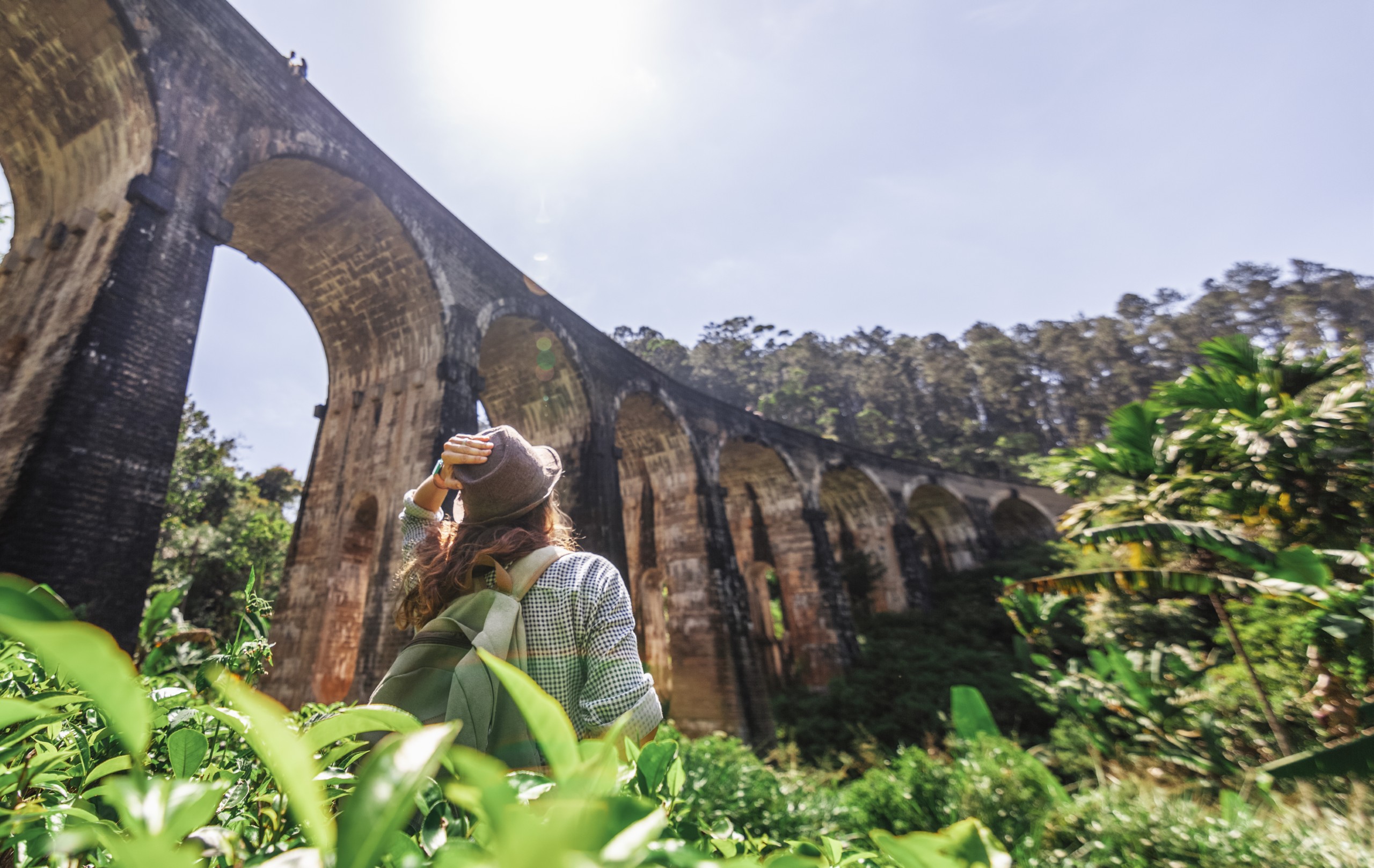
Ella
Ella is the hill country village that everyone who visits Sri Lanka ends up talking about. It has exactly the right combination of a dramatic natural setting, walkable hiking trails, a relaxed cafe scene, and the photogenic Nine Arch Bridge nearby – where the colonial-era hill country train crosses a nine-span viaduct of brick and stone through a landscape of tea and jungle. Little Adam’s Peak is a genuinely short and genuinely rewarding hike. The light at Ella at dusk, when the mist rolls into the Ella Gap and the mountains across the valley start to glow, is the kind of thing that makes travellers add an extra night without thinking twice.